Article · 30 September 2026
October Half Term with the kids, Sorted.
Edinburgh's October half term runs Monday 12 to Friday 16 October 2026. What to do with the kids?
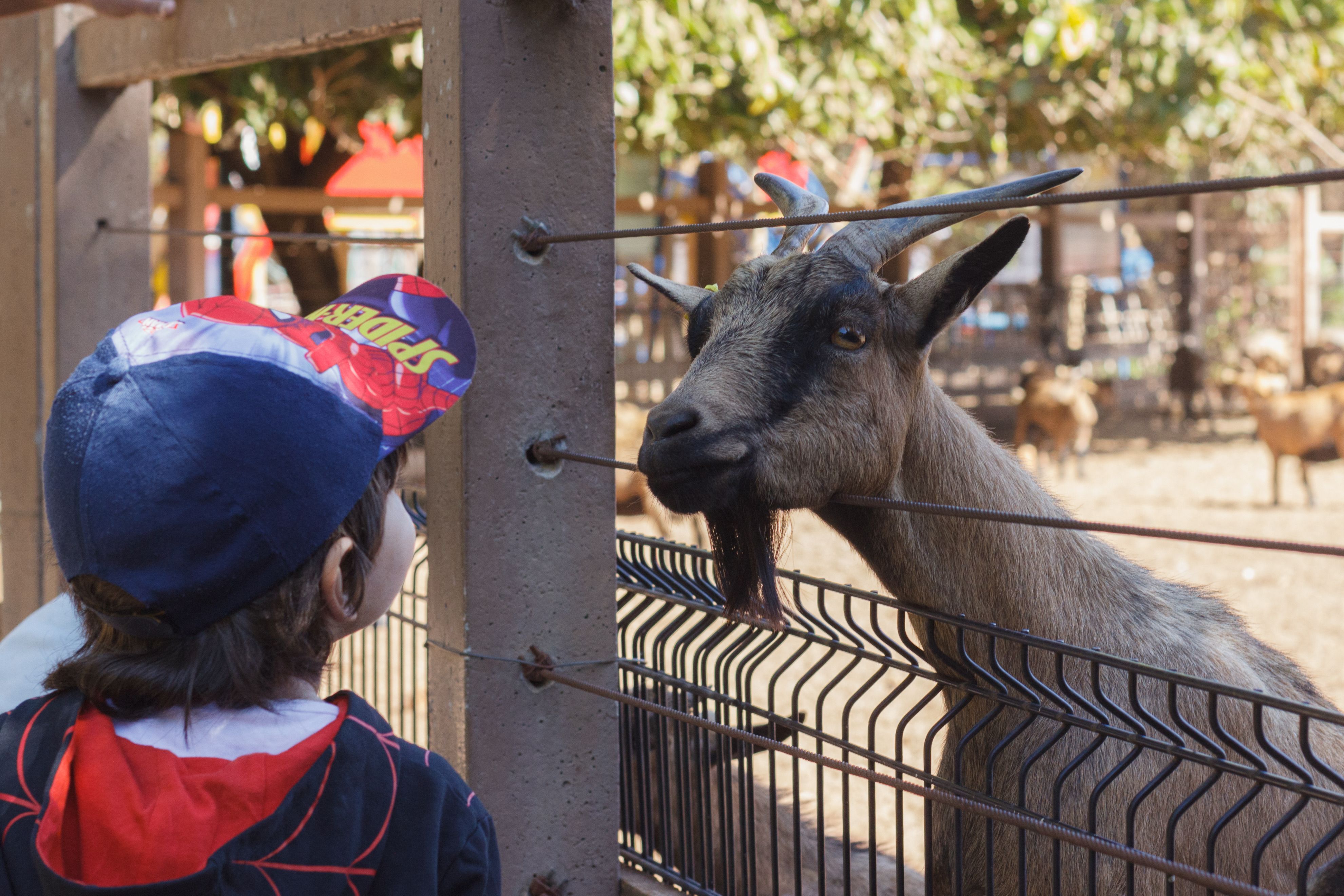
Half the point of a school break is unhurried time together, so wherever you go this week, it's worth leaving the phone in your pocket and spending quality time.
Babies and one-year-olds are usually with a parent anyway, and two- to four-year-olds often still have nursery, but every school-age sibling will be off, so places will feel busier than usual all week. Book ticketed activities early, especially the free ones: several museum sessions have limited spaces and sell out fast.
There's plenty on this week, whatever your kids fancy doing.
Follow the clues
Some of the best things this half term are built entirely around figuring something out: a code, a map, a clue trail through the woods. Toddlers get something to chase and find; big kids get an actual puzzle to crack. Play like this builds focus, working memory and self-control, and it doesn't feel like a lesson to them, it feels like a game.
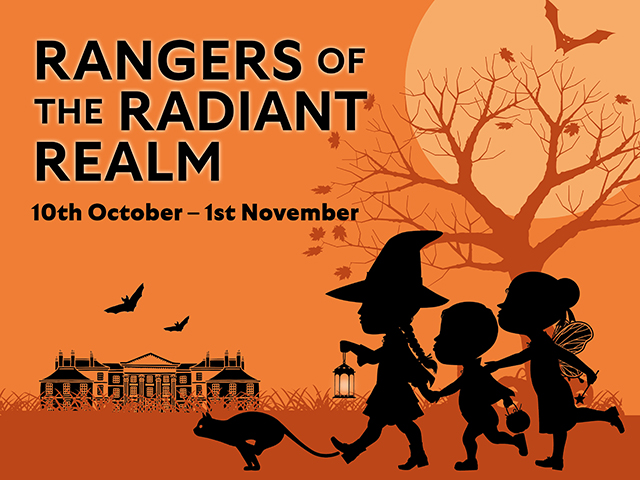
Rangers of the Radiant Realm — Halloween trail at Fort Douglas
Other · 2–12 years · Peak times: under 1 free, age 1 £4.50, age 2-4 £10, age 5-12 £11, adults £4.50
Dalkeith Country Park, via King's Gate
No extra charge for the trail on top of the Fort Douglas playground ticket. School-break week is peak pricing, so booking two days ahead saves £1 a ticket.
See current details →Spooky woodland clue trail.
Map, stamps and potion-making, indoors.

Monsters & Myths Trail at Dynamic Earth
Other · 3–8 years · £4.50 trail add-on, on top of Dynamic Earth admission (admission price per year: Adult £23 online / £24.50 walk-in · Child (4-15) £15 online / £16.50 walk-in · under 4 free)
Holyrood Road
A gentle first Halloween-season outing that is about science rather than scares. Good for a wet half-term afternoon.
This listing is no longer live — shown as it read on 30 Sept 2026.
Ultraviolet torch, clues round the gallery.

UV Morse Code Challenge at the Museum of Scottish Fire Heritage
Drop-in · 6–12 years · Free
1A Dryden Terrace
Free, no booking, and the museum is small enough that it works for a quick visit. Best for children who are confident readers and writers.
See current details →Stories, songs and pretend play
This kind of play does quiet work: it's a baby's earliest exposure to sound and language, and it's exactly the pretend-and-story world preschoolers live in, and play like this builds social, language and problem-solving skills. For big kids, swap "pretend" for "imagine": building a story from a museum object, or sketching a centuries-old portrait, is the same instinct, aimed a bit further.
A drop-off storytelling workshop with a writer, using museum objects as story prompts.
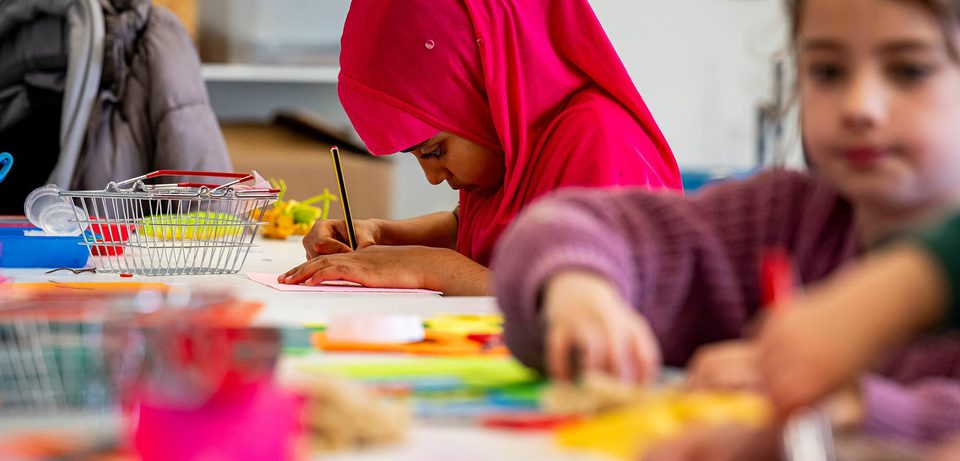
Imagine That! - Creative Workshops for Kids
Workshop · 7–11 years · Tickets £20 (members and concessions available)
Chambers Street
A proper half-day of childcare that is also a treat: an artist-led session with a gallery visit built in. Book the shadow puppetry workshop the same day and your child gets a full day in the museum.
See current details →Songs and rhymes for little ones.

Bookbug at the National Library of Scotland
Bookbug · 0–5 years · Free
National Library of Scotland, George IV Bridge, Edinburgh
Free, central, and a genuinely relaxed room — but it books out, and only the adult ticket needs reserving.
See current details →Draw a monarch from the Great Gallery portraits.

Sketch a Mythical Monarch
Drop-in · 0–12 years · Included with Palace of Holyroodhouse admission: Free for under 5's, £13 for over 5 and £26 for adults
Canongate
A drawing activity built into a palace visit, so you get the crafts and the day out in one ticket.
See current details →Building and making
Give a preschooler or a big kid a real task with a start and a finish, and they'll concentrate far longer than you'd expect. Montessori calls this a sensitive period for order and independence. A glider or a LEGO car they built themselves is a different kind of proud to a show they just watched.
Build a glider, watch a flight show.
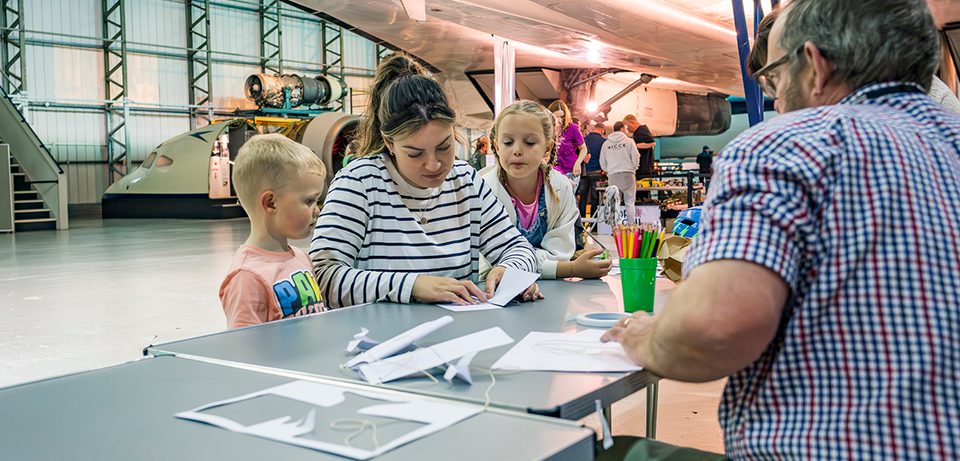
Half Term: How Things Fly
Drop-in · 3–12 years · Activities free with museum admission: Free under 5, £10 over 5, £15 adults
East Fortune Airfield
Building a glider you can actually throw, then going to see Concorde, is a strong reason to make the trip out
See current details →Snap together a working mechanism, gears and all.
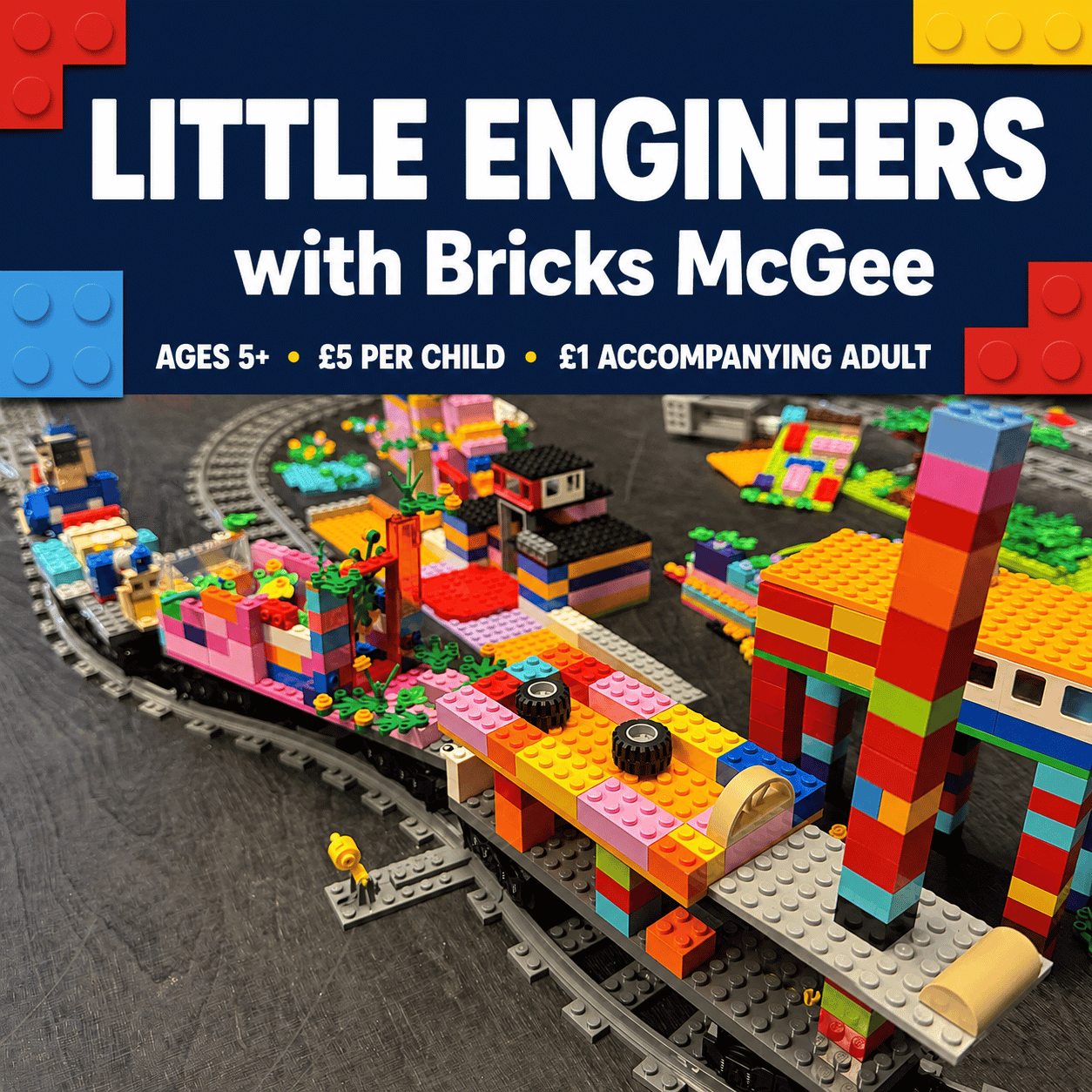
LEGO Little Engineers Workshop
Workshop · 5–12 years · Child £5, accompanying adult £1
1A Dryden Terrace
One hour is a sensible length for a first workshop, and the £1 adult ticket keeps the cost down.
See current details →Build a car, race it, then rebuild it faster.
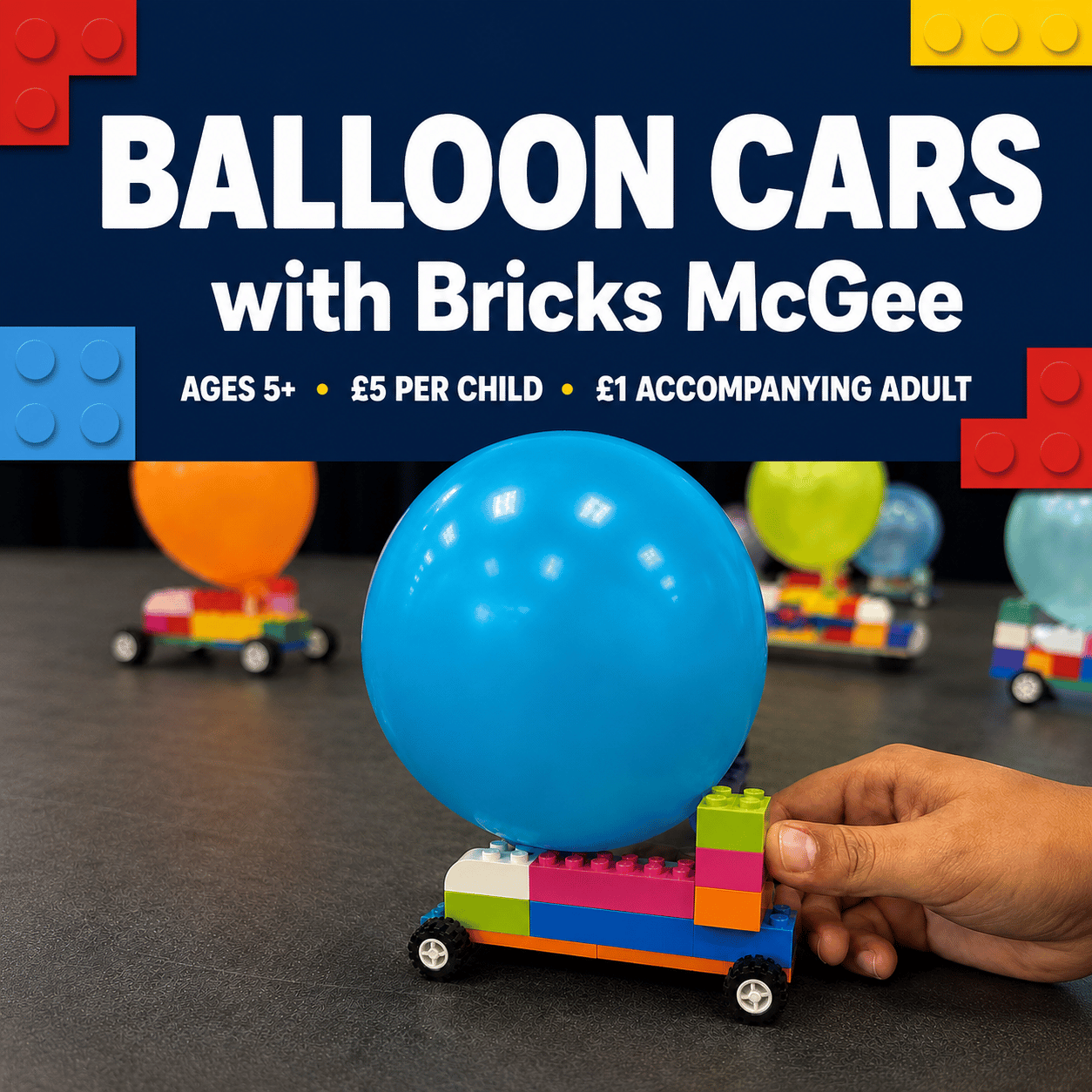
LEGO Balloon Cars Workshop
Workshop · 5–12 years · Child £5, accompanying adult £1
1A Dryden Terrace
A good pairing with the Little Engineers session the day before if your child loves LEGO.
See current details →Fresh air and free movement
No booking, no queue, no screen: just space to move, at any age. Babies and toddlers do best reaching movement milestones under their own steam, big kids just need room to run, which four days of half term will otherwise eat up sitting in the car.
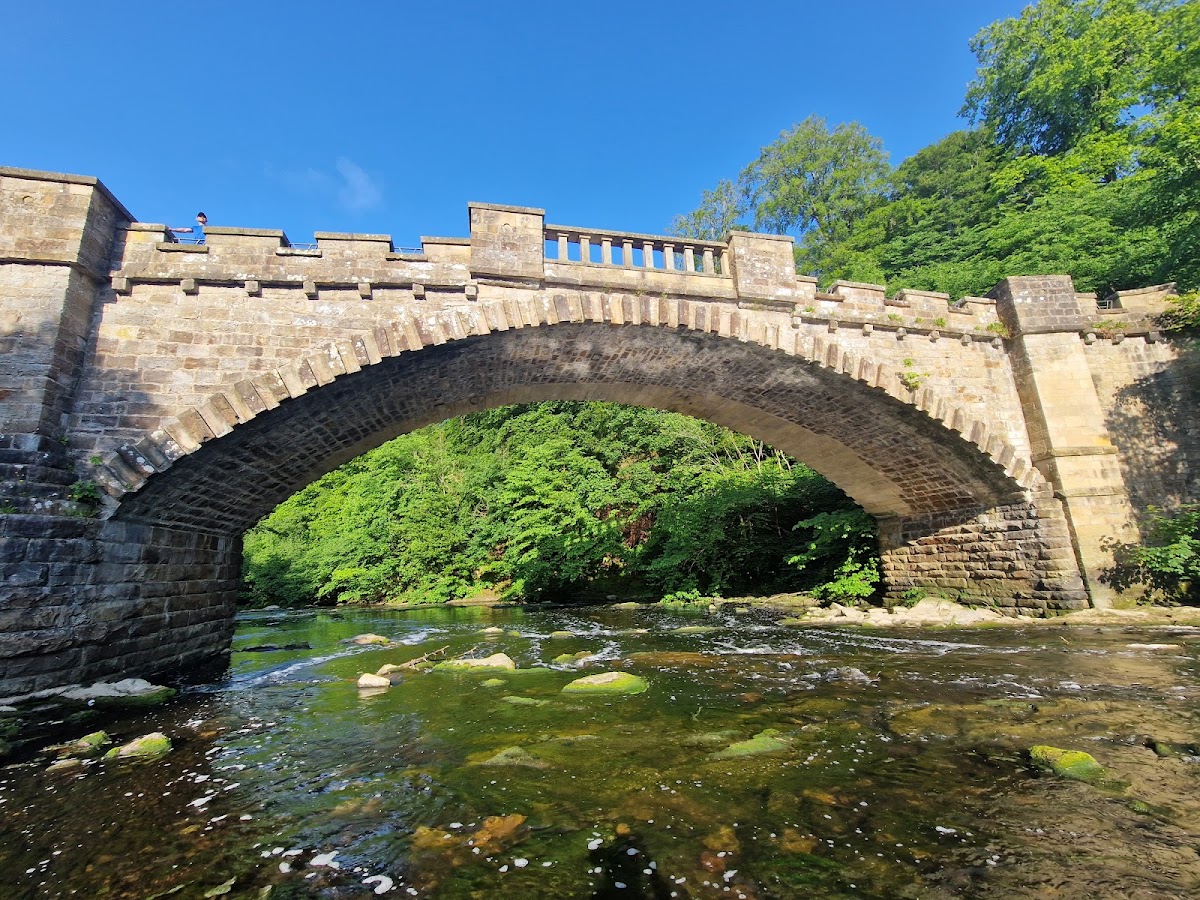
Follow the river, cross the viaduct, spot a heron.
Loop the loch, then find the red deer.

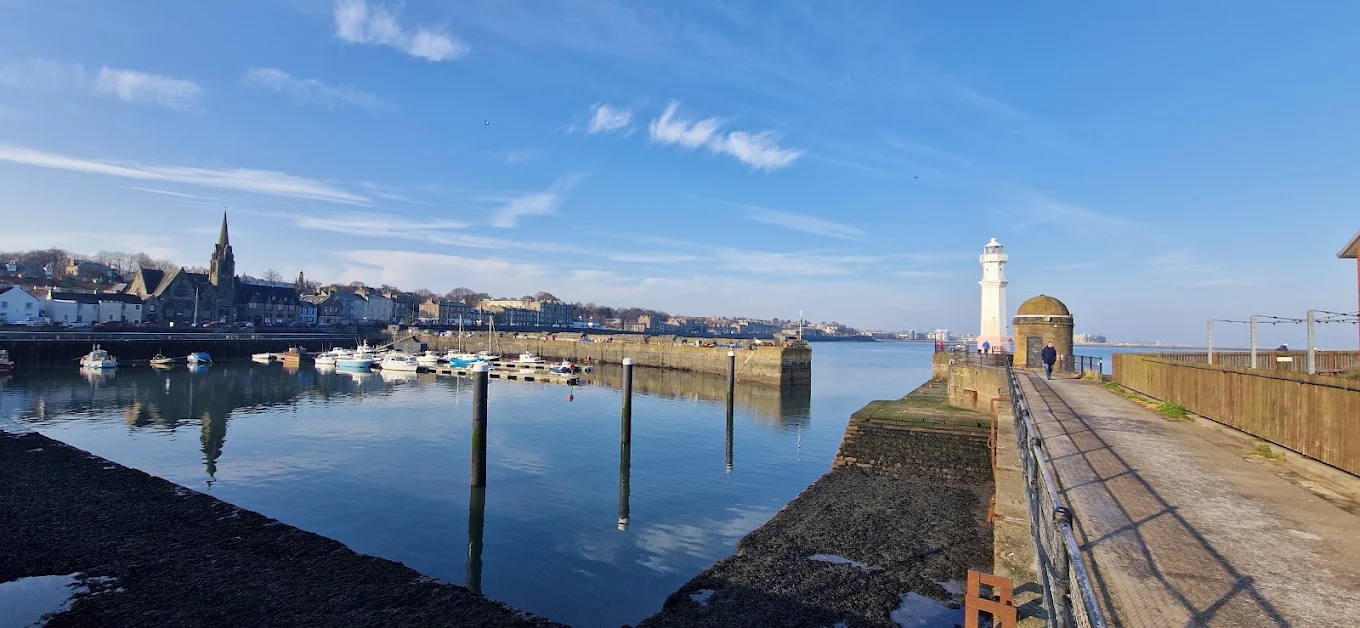
Watch the boats come in, then walk out along the pier.
Whatever you pick, save it to your Little Outings plan so it's one less thing to hold in your head on the day.
Sources
Brain-Building Through Play, Center on the Developing Child at Harvard University (Follow the clues) - https://developingchild.harvard.edu/resources/handouts-tools/brainbuildingthroughplay/
Baby development, National Health Service Start for Life (Stories, songs and pretend play) - https://www.nhs.uk/start-for-life/baby/baby-development/
Planes of development and sensitive periods, American Montessori Society (Building and making) - https://amshq.org/blog/montessori-education/2024-09-18-planes-of-development-and-sensitive-periods-part-1/
The Piklerian developmental approach, World Association for Infant Mental Health (Fresh air and free movement) - https://perspectives.waimh.org/2010/12/15/introducing-piklerian-developmental-approach-history-principles/